

Another energizing Taekwondo training session brought students together in an atmosphere of discipline, focus, and growth. Under the guidance of their instructor, participants practiced a range of techniques—each movement sharpening their physical skills while reinforcing self-control and determination. The session served not only as a space to improve in martial arts, but also as a way to release energy in a positive, structured environment. Beyond the kicks and forms, the training instills lasting values such as perseverance, respect, and self-confidence. These sessions play a vital role in helping students develop both physically and mentally, empowering them to face challenges inside and outside the classroom. Step by step, they are not just becoming better athletes—they’re becoming stronger individuals.

NCR Teachers Gather for PHIL-IRI Orientation, United for Every Learner’s Literacy
With vibrant rhythm and proud steps, the MMES Drum and Lyre Corps lit up the stage during the Rotary Club’s “Christmas in July” celebration. Their special performance brought smiles to the crowd, blending youthful energy with the spirit of community. Clad in colorful uniforms and marching with purpose, the students showcased not just their musical skill, but also the hard work and discipline behind every note. The performance stood as a joyful symbol of unity and school pride, warmly received by guests, organizers, and fellow performers alike. Moments like these remind us how music and youth can come together to inspire and uplift—no matter the season.

MMES Drum and Lyre Corps Dazzles at ‘Christmas in July’ Celebration
With hearts set on helping every learner read and understand better, teachers from across the National Capital Region gathered for the PHIL-IRI Orientation. The day was filled with meaningful discussions, shared strategies, and renewed dedication to building a stronger reading culture in schools. The orientation aimed to guide teachers in effectively using the Philippine Informal Reading Inventory (PHIL-IRI), a vital tool in assessing students’ reading levels. Beyond the technical training, it was also a chance to reconnect, collaborate, and reflect on the shared mission of improving literacy. From exchanging classroom experiences to exploring best practices, the event showed the power of unity among educators. As working together, teachers don’t just teach reading—but open doors to brighter futures. In every session, the message was clear: literacy is a shared journey, and together, teachers are making a difference—one student at a time.

One Vision, One Goal: Coming Together for a Healthier Tomorrow
With hearts aligned and purpose shared, grade leaders, EPP teachers, non-teaching staff, Drum and Lyre members, the HRPTA President, and SELG advisers joined forces in planning this year’s Nutrition Month celebration. The meeting was thoughtfully led by School Nurse Joan Kathleen Fronda, whose guidance centered the group’s focus on promoting wellness and healthy living within the school community. More than just an event, the planning became a powerful reminder that collaboration fuels impact. Each idea shared, each role taken, reflected a shared mission: to create a healthier, more informed environment for every learner. Together, they are turning plans into purpose—one healthy choice at a time.

Driving Excellence: Master Teachers Collaborate with PSDS Bacera and Dr. Gali for Strategic Advancements
In a collaborative pursuit of academic excellence, master teachers gathered for a highly productive meeting with Public Schools District Supervisor, Lovelynn Jane S. Bacera and School Head, Dr. Tiso Gali. The session focused on refining strategic initiatives to strengthen instructional leadership and elevate teaching standards. With shared insights and forward-thinking dialogue, the team reaffirmed their commitment to fostering a culture of continuous improvement and learner-centered education across the school community.

Division-Wide Training Equips Grades 2, 3, and 5 Teachers for Revised K–10 Curriculum Rollout
The division officially kicked off its series of Saturday training sessions last weekend, marking the first of three dedicated to equipping Grades 2, 3, and 5 teachers with the tools and strategies needed for the implementation of the revised K–10 curriculum. Held across designated training rooms, the session brought together educators from various schools to align their practices with the Department of Education’s updated curriculum framework. The training emphasized key content adjustments, learner-centered teaching approaches, and effective assessment methods that support the development of essential skills among students. “This first session laid the groundwork for a deeper understanding of the curriculum revisions and provided a platform for shared learning among peers,” said one of the facilitators. The revised K–10 curriculum streamlines competencies and reinforces foundational learning, aiming to better support student growth and academic performance. Teachers actively participated in breakout sessions, collaborative planning, and content unpacking exercises designed to ensure readiness and consistency in classroom implementation. The next two Saturday sessions will continue to build on this momentum, ensuring sustained support and professional development for educators across the division.

MMES Strengthens Earthquake Preparedness Through Nationwide Drill
Marcela Marcelo Elementary School (MMES) reinforced its commitment to disaster readiness by actively participating in the second quarter Nationwide Simultaneous Earthquake Drill (NSED). With support from the Supreme Elementary Learner Government (SELG), the school carried out the preparedness activity to ensure that students and staff are equipped with the knowledge and skills needed during emergencies. At the sound of the school buzzer, students swiftly performed the “duck, cover, and hold” technique—an essential earthquake safety response taught during disaster education sessions. The quick and orderly reaction across all grade levels reflected the effectiveness of MMES’s regular safety drills and training efforts. Following the simulated quake, students evacuated their classrooms in a calm and organized manner, gathering at the designated assembly area beside the school court. Teachers conducted immediate headcounts to account for all students, while SELG officers, led by President Zoe Zyra B. Coronel, assisted by checking classrooms to ensure no one was left behind. With its proactive approach and strong support from student leaders, MMES continues to serve as a model of school-based disaster preparedness—instilling not only safety awareness but also responsibility and leadership among its learners.
Schools Division Officials Ensure Smooth Opening of Classes Through On-Site Monitoring
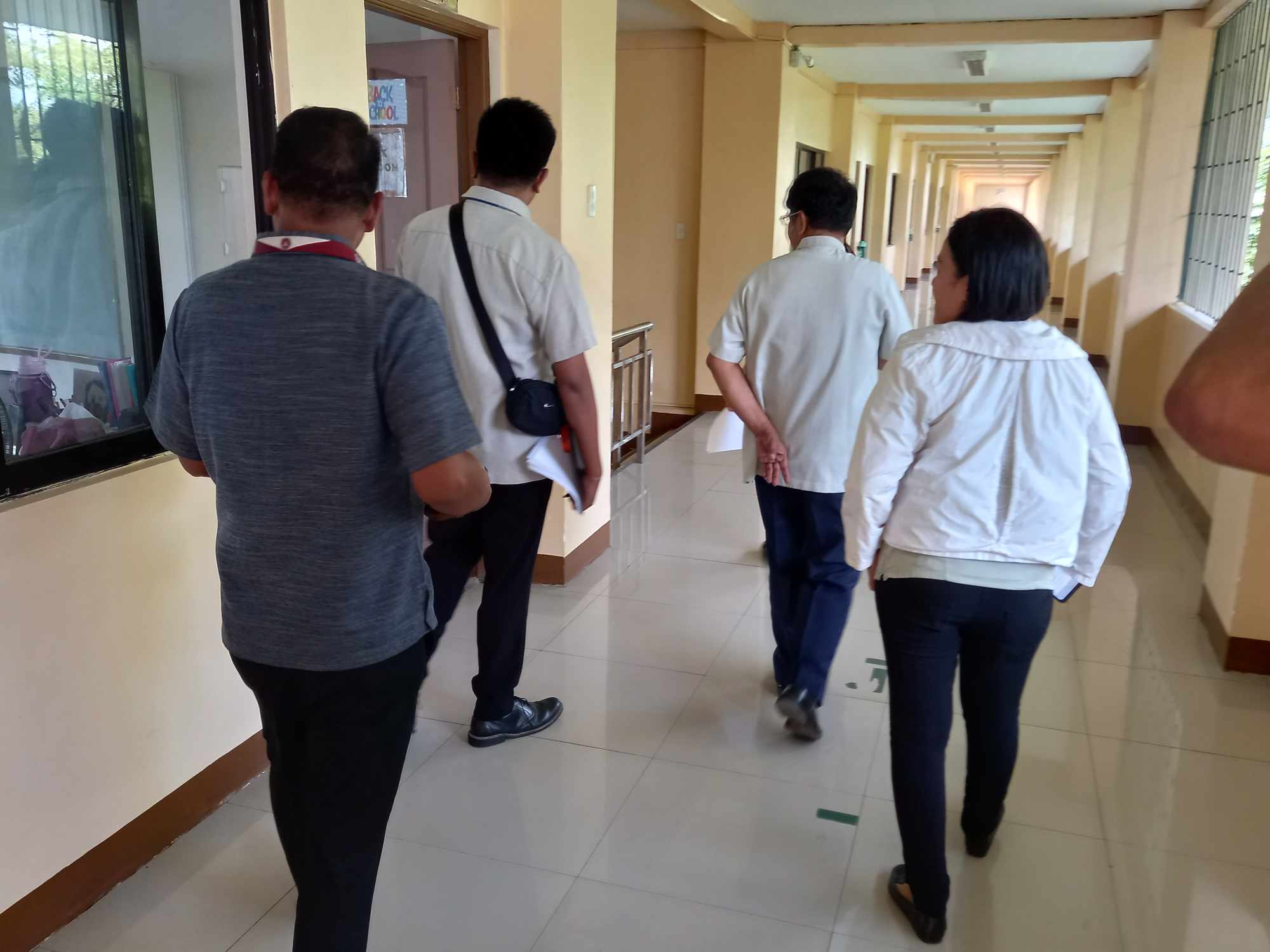
To ensure a smooth and well-coordinated opening of the school year, Mr. Sylwyn Tenorio and Mr. Maverick Tuddao from the Schools Division Office conducted on-site monitoring across several classrooms on June 16, 2025. Their visit marked the official start of the academic year and aimed to evaluate the overall readiness of schools in delivering quality education from day one. The monitoring focused on key areas such as teacher preparedness, student attendance, availability of learning materials, and the condition of classrooms and facilities. Through direct observation and dialogue with school heads and teachers, the officials were able to identify strengths, address early concerns, and provide immediate support where needed. Their presence served not only as a supervisory measure but also as a form of encouragement to both staff and learners. According to the Schools Division Office, such visits are part of a broader initiative to strengthen accountability and ensure that educational standards are consistently met. By actively engaging with schools at the ground level, the Division reinforces its commitment to fostering a safe, responsive, and effective learning environment for every student from the very first day of classes.
Dr. Tirso V. Gali Leads Flag Ceremony as School Opens New Academic Year
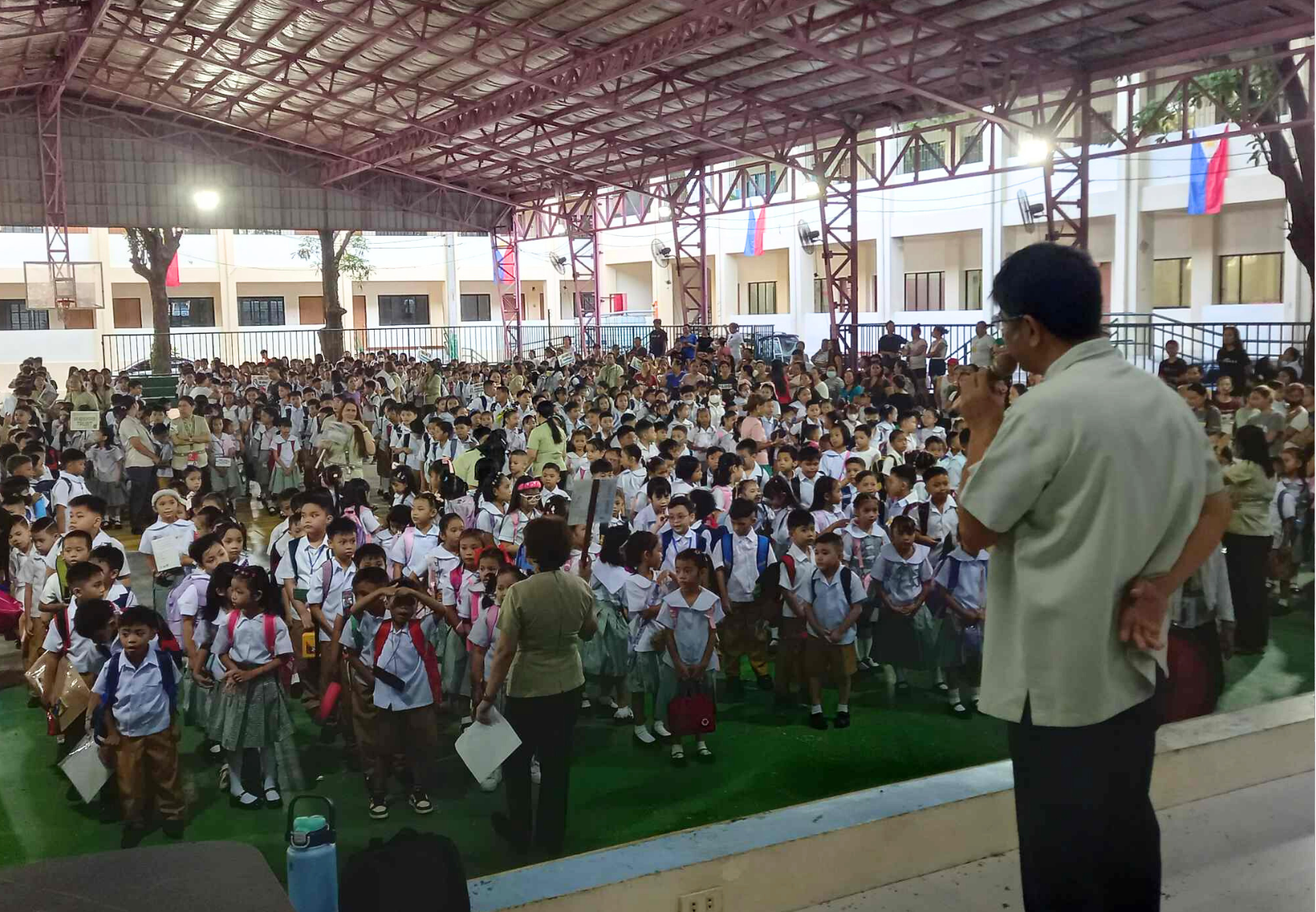
Ms. De Vera Attends Evaluation and Monitoring of Project Sikap to Assess Progress and Impact – CopyDr. Tirso V. Gali Leads Flag Ceremony as School Opens New Academic YearMs. De Vera Attends Evaluation and Monitoring of Project Sikap to Assess Progress and Impact – Copy Teachers and students gathered at the school grounds early Monday morning to mark the official opening of the academic year with a flag raising ceremony. The atmosphere was filled with anticipation as learners, both new and returning, stood in neat rows—ready to begin a new chapter in their educational journey. The ceremony was led by Dr. Tirso V. Gali, who delivered a brief yet inspiring message to the school community. He emphasized the value of discipline, perseverance, and collaboration, encouraging everyone to face the year with purpose and optimism. “This is not just the start of a school year; it’s the start of new opportunities,” he said. The event concluded with the singing of the national anthem and a collective pledge to uphold the values of respect, excellence, and responsibility. With renewed energy and a shared sense of commitment, the school community stepped confidently into the year ahead.

Ms. De Vera Attends Evaluation and Monitoring of Project Sikap to Assess Progress and Impact
The evaluation and monitoring session for Project SIKAP, a hands-on science initiative, was recently held with Ms. De Vera, A Marcelanian Science Coordinator, in attendance. The session focused on assessing the project’s impact in sparking curiosity and enthusiasm for science among students. Designed to provide interactive, practical learning experiences, Project Sikap aims to deepen students’ understanding of scientific concepts while promoting critical thinking and problem-solving. Ms. De Vera emphasized the importance of regular evaluation to ensure the program’s goals are being met. “This evaluation helps us assess how well the project is bringing science to life for students and gives us the opportunity to refine it for even greater impact,” she explained. The session also provided an opportunity for feedback from educators and stakeholders to guide future improvements. The insights gained will help shape the continued success of Project SIKAP in nurturing future scientific leaders.